
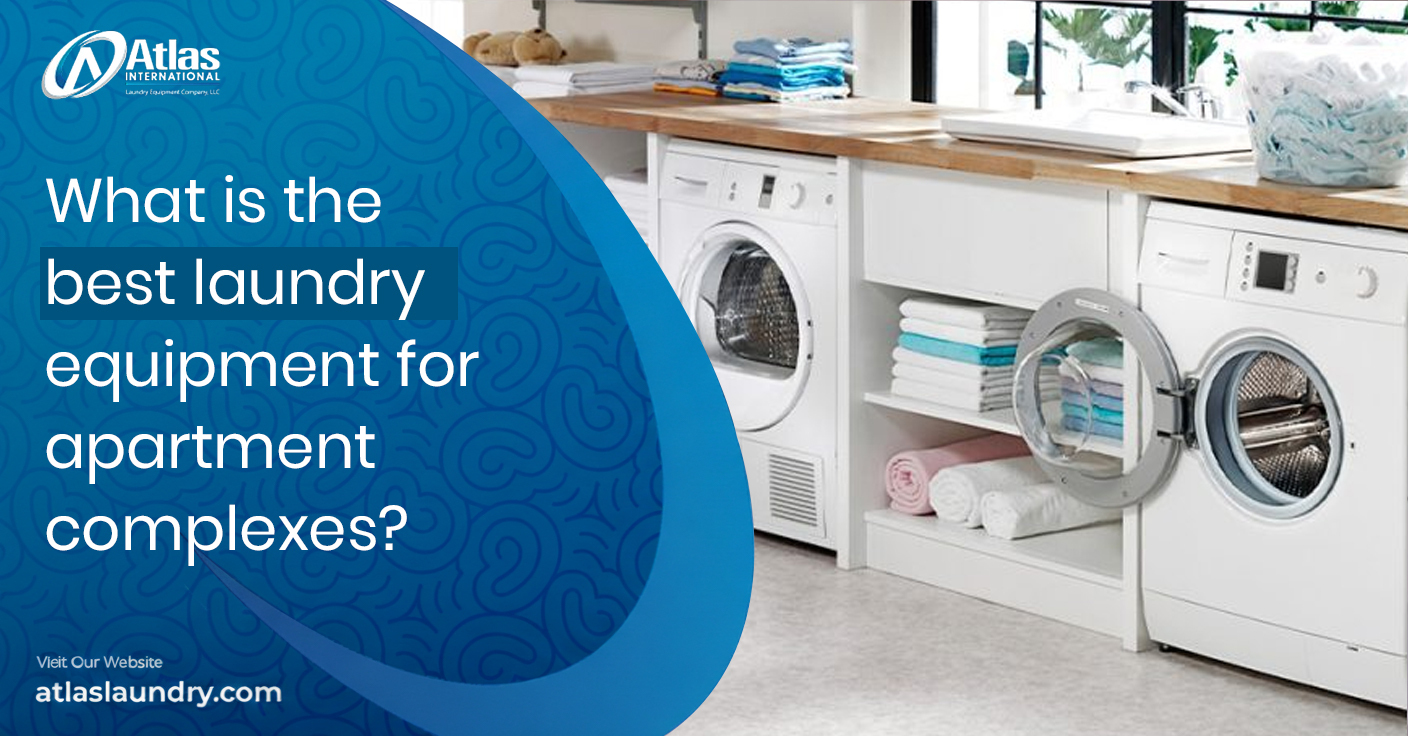
Apartment managers struggle to choose laundry equipment that perfectly meets residents’ needs. Buying machines that break down constantly wastes money on repairs. Moreover, wrong equipment creates resident frustration with long wait times daily. You need smart decisions that maximize satisfaction and minimize costs. But which laundry equipment will be best suited for your apartment complex?
| Quick Answer
Front-load commercial washers with gas dryers are the best choice for apartment complexes. They process 15-20 loads daily while saving water and energy. Card-operated or smart-app payment systems offer greater convenience than coin machines. Select 30-50 lb capacity for medium to high-density buildings. Energy-efficient models minimize monthly utility expenses while maximizing machine durability. |
Key Factors to Consider Before Choosing Laundry Equipment for Apartment Complexes
Smart apartment managers evaluate several critical factors before purchasing equipment carefully. Wrong choices cost thousands in repairs and wasted utilities monthly. Here are the essential considerations for selecting the perfect equipment for your complex.
Resident Usage and Load Demand
Calculate the total loads per day based on the number of apartments and residents’ daily habits. A 50-unit complex with 2 residents per unit generates 100-150 loads weekly. High-density buildings need 30-50 lb-capacity machines to complete 15-20 loads efficiently. Underestimating demand creates constant frustration among residents due to long wait times. Track peak hours versus average usage for realistic sizing. Use actual data, not guesses.
Space and Installation Requirements
Measure the laundry room dimensions before carefully selecting equipment size. Commercial machines require clearance for ventilation, loading doors, and weekly maintenance access. Front-load washers require less depth than top-load models, so they fit in tight spaces. Ensure that the plumbing, electrical, and gas connections match the machine specifications exactly. Small laundry rooms benefit from compact 25 lb units. Leave 3 feet around equipment for service.
Energy and Water Efficiency
Energy-efficient machines reduce utility costs significantly over time. Modern commercial washers use 50% less water per load than residential models. Gas dryers cost less to operate monthly than electric dryers. Calculate total ownership costs including utilities, not just purchase prices. Efficiency consistently pays for itself within 2-3 years. Don’t ignore hidden operating costs.
Maintenance and Durability
Commercial machines built for heavy use last 15-20 years with proper maintenance. Choose brands offering local service support for quick repairs when needed. Stainless steel drums resist corrosion better than plastic components. Regular maintenance schedules prevent costly emergency repairs. Quality equipment minimizes downtime that frustrates residents repeatedly. Invest in reliability.
Laundry Payment Systems for Apartment Complexes
Apartment complexes offer several payment system options for residents. Each type of vended laundry equipment offers unique benefits that affect satisfaction and revenue. Here’s how different laundry systems work for your property:
Coin-Operated Machines
Traditional coin machines accept cash payments but require frequent coin collection and cleaning. Coins get lost, stuck, or jammed, creating daily resident complaints. Maintenance costs are higher due to mechanical coin mechanisms breaking. However, they work for older buildings without smart infrastructure. Simple setup with no app requirements. Residents understand coins immediately.
Card-Operated Systems
Card systems let residents conveniently swipe prepaid cards to access laundry. Cards never get lost like coins and work through app purchases. No mechanical coin mechanisms mean fewer maintenance problems. Residents load money online, reducing cash handling. Popular choice for modern apartment complexes seeking convenience. Card systems suit tech-savvy demographics better.
App-Based Smart Laundry Systems
Smart systems connect machines to mobile apps for ultimate convenience. Residents book machines, pay digitally, and receive usage notifications instantly. Cashless vended laundry equipment significantly reduces maintenance and increases resident satisfaction. Perfect for tech-savvy younger demographics. Provides real-time machine availability and remote monitoring for managers. App systems modernize laundry operations.
Best Washer Types for Apartment Complexes
Washer selection affects cleaning quality, efficiency, and resident satisfaction daily. Front-load and top-load models serve different needs. Here’s how to choose the perfect washer for your apartment complex.
Front-Load Commercial Washers
Front-load washers use less water and energy per load than top-load models. Horizontal drums gently tumble clothes, reducing fabric damage. Stackable designs save floor space in compact laundry rooms. Faster cycle times enable efficient completion of 15-20 loads daily. Best choice for high-density apartment buildings with capacity needs. Residents appreciate gentle fabric care.
Top-Load Commercial Washers
Top-load washers handle heavier loads thanks to their vertical drum designs. Generally have lower upfront costs than front-load models. Simple operation residents understand immediately without learning. However, they use more water and energy per load. Slower cycles complete fewer loads daily. Suitable for low-density buildings with moderate usage. Budget-friendly option.
Best Dryer Types for Apartment Complexes
Dryer choice significantly affects operating costs and cycle speed. Gas and electric dryers serve different budget needs. Here’s how to select the perfect dryer that matches your washer’s capacity.
Gas Dryers
Gas dryers cost 30-50% less to operate monthly than electric models. Faster drying times complete cycles in 25-30 minutes. Higher upfront costs require gas line installation. However, they pay for themselves within 3-4 years. Best for buildings with existing gas infrastructure. Ideal for high-volume apartment complexes needing efficiency.
Electric Dryers
Electric dryers have lower upfront costs and require no gas lines. Simple installation works in buildings without nearby gas infrastructure. However, they cost more to operate monthly. Slower drying times take 35-45 minutes per load. Suitable for low-density buildings with moderate laundry needs. Best choice for older buildings without gas.
Common Mistakes to Avoid When Choosing Equipment
Apartment managers regularly make costly equipment mistakes. Wrong choices create resident frustration and wasted money. Understanding these pitfalls prevents expensive errors. Here are common mistakes to avoid when selecting laundry equipment for your complex.
- Underestimating daily laundry volume needs
Buying too-small machines creates bottlenecks during peak hours. Residents wait hours for available equipment. Calculate peak day usage, not averages. A 100-unit complex needs at least 4-6 washers handling 30+ lb loads. - Ignoring utility cost calculations
Choosing cheap machines that consume high amounts of energy costs more in the long term. Calculate total ownership costs including utilities. Energy-efficient models save thousands annually. Don’t focus only on purchase prices. Hidden costs matter. - Purchasing residential machines for commercial use
Residential machines break down quickly under heavy use in apartments. Commercial equipment is built for 15-20 years of daily use. Don’t save money upfront by sacrificing durability. Invest in commercial-grade machines. They last longer. - Skipping local service support verification
Machines sitting broken cost more than reliable smaller units. Ensure the supplier offers nearby service technicians. Check maintenance availability before buying expensive equipment. Atlas International provides Dallas service support. - Choosing the wrong payment system for demographics
Coin machines frustrate tech-savvy younger residents. Card or app systems suit modern demographics. Match payment type to resident age groups. Cashless systems increase satisfaction. - Neglecting space planning
Installing machines without proper clearance creates maintenance nightmares. Leave 3 feet around equipment. Measure door widths for delivery. Poor planning requires costly reinstallation. Plan carefully.
Property managers looking for vended laundry equipment in Dallas should carefully avoid these mistakes to ensure long-term efficiency and resident satisfaction.
Conclusion
Best laundry equipment depends on resident volume, space, payment preferences, and utility costs. Front-load commercial washers with gas dryers work best for high-volume apartment buildings. Card-operated or app-based smart systems offer convenience over traditional coin machines.
Key factors: calculate peak demand, measure space, choose energy-efficient models, verify service support. Avoid mistakes like underestimating volume, ignoring utilities, using residential machines, or skipping service. The right equipment saves money, increases resident satisfaction, and prevents daily breakdowns.
Contact Atlas International for expert vended laundry equipment consultation and discuss your apartment complex needs with experienced commercial laundry specialists.
Read Also: Where can I buy commercial laundry equipment in Dallas?
FAQs
Should apartment complexes use coin-operated or card-operated machines?
Card-operated machines are better suited to modern apartment complexes. Coins get lost, stuck, or require frequent maintenance. Cards never disappear and are processed through in-app purchases.
Are front-load washers better for apartment buildings?
Yes, front-load washers are better for high-density apartment buildings. They use less water and energy per load efficiently. Horizontal drums tumble clothes gently reducing fabric damage. Stackable designs save floor space. Faster cycles complete 15-20 loads daily. Best choice for capacity needs.
How long do commercial laundry machines last in apartment use?
Commercial machines last 15-20 years with proper maintenance. They are built for heavy daily use, unlike residential models. Stainless steel drums resist corrosion better than plastic. Regular maintenance schedules prevent costly emergency repairs.