
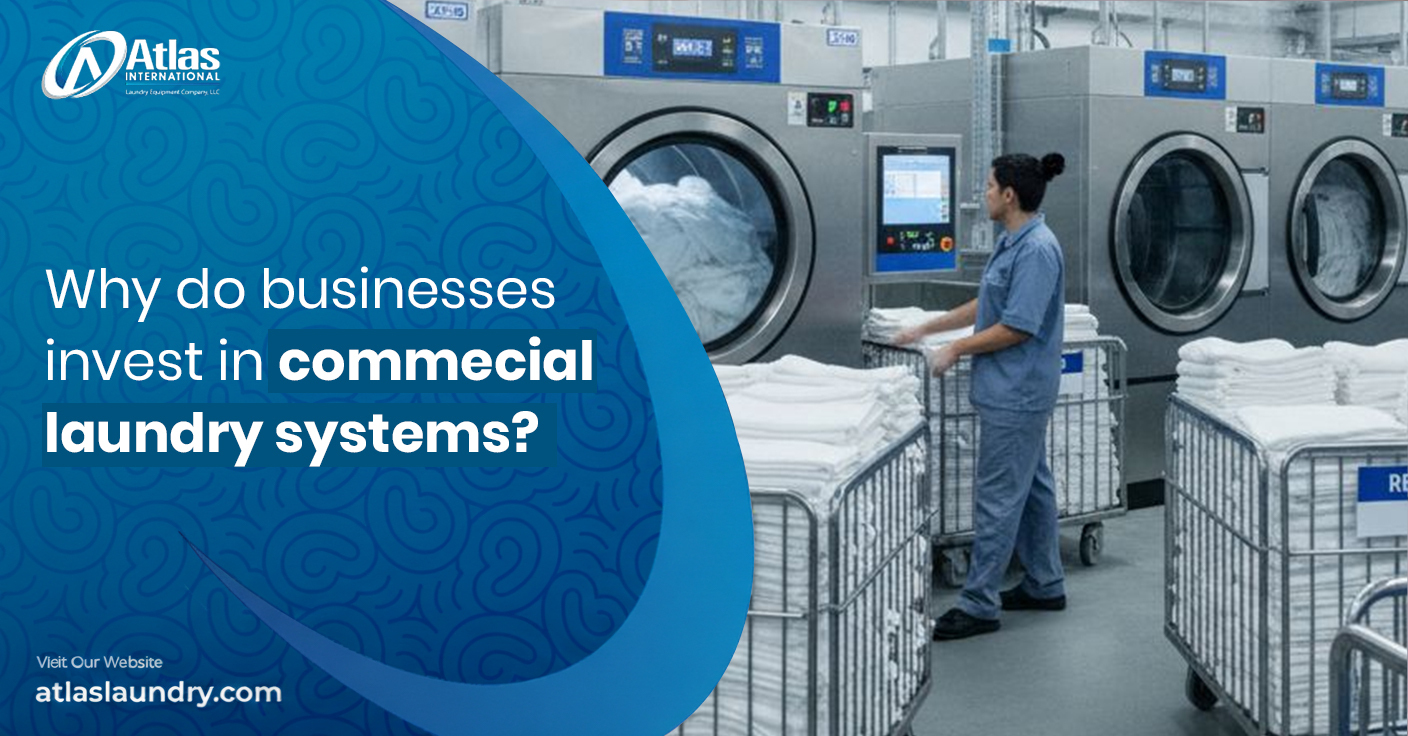
Managing linen supplies internally or relying on third-party cleaning vendors represents a major operational choice for modern enterprise managers. Investing in dedicated professional infrastructure is the vital key to moving from logistical chaos to an automated, predictable, and fully scalable setup. High-capacity commercial systems provide the extreme durability and speed required to support demanding, high-volume laundry demands across multiple service industries.
Key Takeaways
- Heavy-duty laundry assets drastically lower the overall cost per load compared to residential appliances or outsourced cleaning vendors.
- Industrial-grade construction prevents unexpected mechanical failure under high-volume, continuous usage scenarios.
- Programmable water and chemical microprocessors reduce monthly utility consumption and lower overhead.
- On-premise installations grant full control over linen quality, eliminating turnaround delays.
- Sanitization settings ensure total compliance with strict local health and safety regulations.
12 Reasons Businesses Choose Industrial Laundry Infrastructure
Upgrading your infrastructure directly impacts your bottom line, employee productivity, and customer satisfaction scores. Here is why modern operations invest heavily in professional-grade laundry setups.
1. Significant Cost Reduction Over Time
Outsourcing your hospitality or healthcare linens to a third-party laundry network involves recurring fees, fluctuating delivery surcharges, and high hidden inventory replacement costs. Choosing a trusted commercial laundry supplier to build an on-premise facility changes your ongoing financial landscape completely. While the initial asset acquisition requires capital deployment, the per-pound operating cost drops dramatically. Most businesses find that taking their washing processes in-house results in a swift, measurable return on their machinery investment within the first year of operation.
2. Drastic Turnaround Time Minimization
Waiting days for an external truck to return fresh towels, sheets, or staff uniforms can completely paralyze a fast-moving enterprise. Installing heavy-duty machinery ensures that your team can clean, dry, and finish linens in a fraction of the standard time. High-speed wash configurations can complete massive loads in under 30 minutes, while high-airflow dryers accelerate processing. This immediate internal availability allows your business to operate safely with a significantly lower total linen inventory on hand.
3. Strict Compliance with Health and Hygiene Regulations
Senior care homes, specialized medical clinics, and food hospitality ventures are subject to rigorous public health sanitation rules. Residential washers cannot reliably sustain the ultra-high water temperatures required to eradicate dangerous bacterial strains, viruses, and environmental allergens. Advanced professional machines feature dedicated sanitation profiling cycles that lock in thermal parameters and inject chemical disinfectants automatically. This verifiable control over the wash environment keeps your facility fully compliant with regulatory standards.
4. Unmatched Longevity and Mechanical Durability
Residential appliances are engineered to execute a few wash cycles per week using thin internal plastic parts and basic belt systems. Forcing consumer-grade machines to run continuously will burn out the motors and crack the frames within a few months of intense use. Industrial machines are built out of heavy-gauge stainless steel components, heavy-duty oversized bearings, and industrial iron castings. This rugged engineering allows the machines to operate twenty-four hours a day, seven days a week, for over a decade without structural failures. Partnering with an established commercial laundry equipment supplier guarantees you get equipment designed for the toughest demands.
5. Tailored Programming for Superior Fabric Protection
Different corporate fabrics require distinct mechanical actions, specific detergent formulations, and precise temperature curves to avoid premature degradation. High-capacity industrial washers feature programmable microprocessors that allow users to customize flushing sequences, water levels, and spin velocities down to the second. Treating delicate spa robes, coarse kitchen rags, and heavy hotel duvets with targeted cycle recipes preserves the structural integrity of the fibers. This precision saves money by extending the lifespan of your textile assets.
6. Substantial Savings on Monthly Utility Overhead
Water usage, sewage drainage fees, and natural gas expenses represent permanent, heavy strains on any commercial business balance sheet. Modern corporate laundry setups utilize advanced water-dam designs and precise cylinder spacing to minimize fresh water consumption per pound. Furthermore, high G-force extraction technology spins water out of textiles during the final cycle with extreme speed. Removing maximum moisture prior to the drying cycle slashes drying times in half, which drops your natural gas consumption bills immediately.
7. Total Control Over Asset Quality and Cleanliness
When you send your expensive custom linens away to an off-site processing facility, you lose all oversight regarding chemical usage and handling care. Linens frequently return with mysterious chemical burns, lingering gray stains, or a rough, scratchy texture that upsets your guests. Managing your laundering processing internally gives your supervisors complete command over chemical formulas and stain-treatment protocols. This ensures your linens always match your brand’s strict presentation standard.
8. Eradication of Inventory Loss and Shortage Delays
Contract cleaning services handle hundreds of thousands of pounds of textiles from multiple competing businesses simultaneously every day. It is common for high-end towels and sheets to go missing in transit, get mixed into other corporate orders, or return torn beyond repair. Operating an independent, on-premises laundry operation ensures that your specific textile pieces never leave the safety of your building. This completely eliminates the costly inventory shortages that lead to unmade beds, delayed room check-ins, or staff scheduling headaches.
9. Maximized Space Efficiency Through Stacked Layouts
Many businesses hesitate to bring their laundry systems in-house because they assume they lack the massive square footage required to house industrial machinery. Modern industrial gear addresses this concern by utilizing compact, heavy-duty vertical stack configurations. Dual stack frames place high-capacity washing drums and efficient dryers into a single vertical footprint, maximizing your floor area. This spatial optimization allows you to install maximum cleaning power inside tight utility closets or basement rooms.
10. Automated, Mistake-Proof Chemical Injection
Manually measuring and pouring liquid detergents or powder bleaches wastes valuable labor time and frequently leads to costly operator errors. Over-dosing chemicals ruins fabrics and ruins machine drums, while under-dosing leaves linens stained and unhygienic. Industrial washers use automated signal pumps to draw precise liquid volumes directly from bulk chemical drums based on the selected cycle. This mechanical accuracy optimizes product usage, protects your staff from chemical exposure, and ensures identical wash results every shift.
11. Reduced Employee Training and Simplified Operation
Modern commercial washers and dryers feature intuitive, icon-driven touchscreens that eliminate language barriers and minimize employee confusion. Staff members simply load the drum, close the heavy-duty latch, and tap a single visual icon representing the specific items being washed. This user-friendly interface shortens new hire training pipelines and prevents expensive operator mistakes. Simplifying the interface allows your team to focus their attention on core operational tasks rather than fighting with complex settings.
12. Protection Against Constant Vendor Inflation Costs
Relying entirely on a commercial laundry service exposes your quarterly budget to unpredictable price spikes, fuel delivery fees, and holiday service premiums. Bringing your laundry operations entirely on-premise stabilizes your operational forecasting by turning a variable service fee into a fixed, predictable internal cost. This financial insulation lets business operators manage long-term budget sheets with total confidence. Finding a dependable commercial laundry supplier Dallas ensures your business stays shielded from supply chain disruptions and unexpected service pricing increases.
Conclusion
Equipping a business with industrial cleaning infrastructure eliminates the logistical bottlenecks, high vendor fees, and fabric damage risks that limit your company’s growth. At Atlas International, we specialize in helping local hospitality, healthcare, and commercial owners design and maintain professional laundry setups across North Texas. Our factory-trained team is ready to provide the exact high-capacity machines, flexible financing structures, and ongoing local service your enterprise needs to maximize efficiency.
FAQ
How much space do I need to install an on-premise laundry system? The required layout space depends entirely on your daily volume needs, but modern compact stack frames can easily fit high-capacity washers and dryers inside small utility spaces. A professional distributor can create a custom layout blueprint to maximize your specific layout square footage.
Can my existing electrical and plumbing lines support commercial machinery? Most industrial washers and dryers require heavy-duty utility connections, including three-phase power lines, large water supply pipes, and dedicated high-volume exhaust vents. It is essential to have a specialized technician perform a site utility audit before delivery to outline necessary upgrades.
How do I determine the right machine capacity for my business? To calculate the perfect machine size, multiply your total daily linen weight by your target operating hours per week. A certified equipment supplier can analyze your business industry type to match your workflow with the ideal mix of small, medium, or large-capacity drums.