
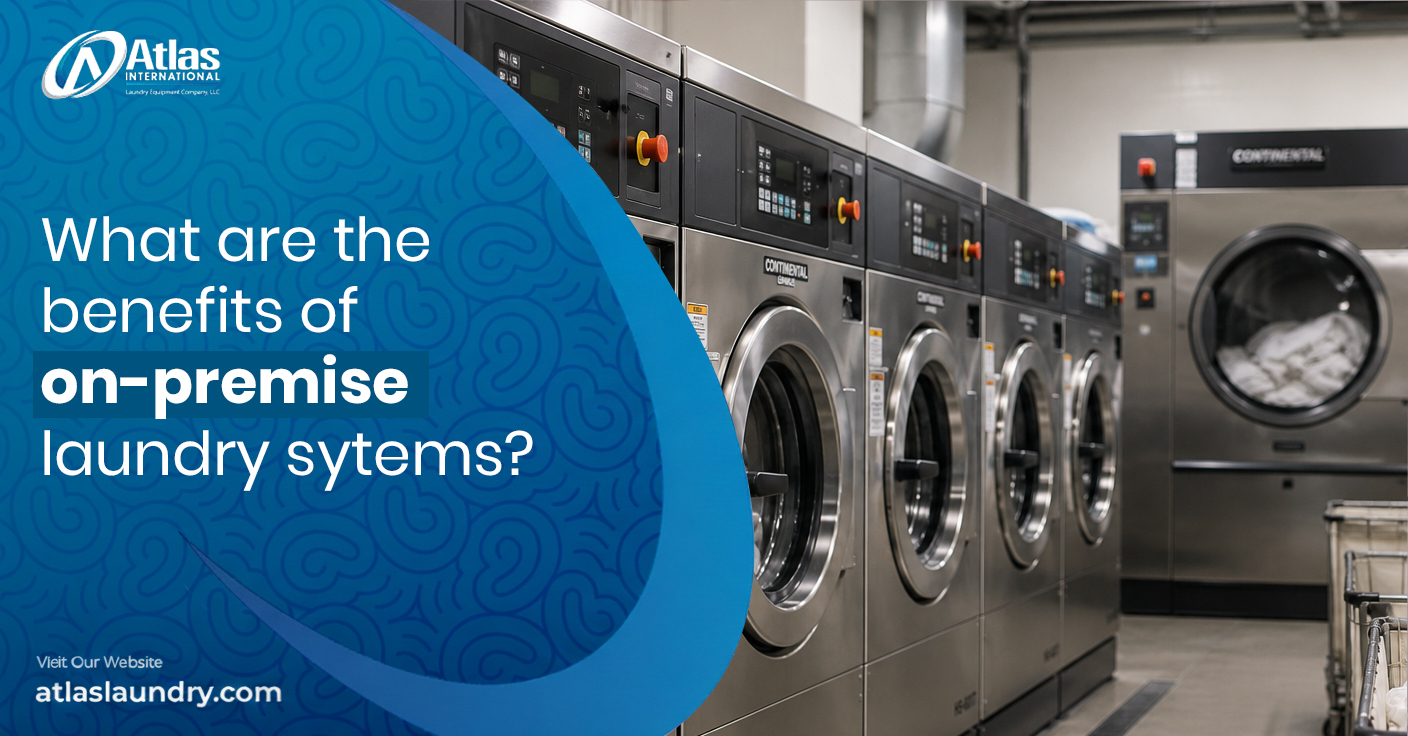
An on-premises laundry gives facilities the ability to clean linens, uniforms and towels on-site rather than outsourcing laundry services. In fact, it also lowers the costs in long-run phases of operations, laundry turnover time and businesses can better manage their sanitation standards.
Hotels, hospitals, gyms, and care facilities benefit from faster linen turnaround and stronger inventory management. Modern systems support better workflow efficiency while helping businesses maintain consistent cleaning quality across daily operations.
Core Takeaways
- On-premise laundry systems reduce long-term operating and transportation costs.
- Businesses gain faster access to clean linens and uniforms daily.
- Better sanitation control improves hygiene standards across different industries.
- Laundry inventory becomes easier to track and manage consistently.
- Businesses reduce delays caused by third-party laundry providers
- Internal processing lowers the risks of damaged or missing linens
- Hotels, healthcare facilities, and gyms benefit heavily from internal systems.
Benefits of On-Premise Laundry Systems
Internal laundry operations improve efficiency, lower operating costs and strengthen cleaning consistency.
1. Cost-Saving Benefits
Businesses that process large volumes of laundry often spend heavily on outsourcing and transportation. On premise laundry equipment reduces recurring service expenses while improving operational efficiency and resource management over the long term.
Lower Long-Term Laundry Expenses
Third-party laundry contracts become expensive for businesses processing large daily linen volumes. Internal systems reduce recurring service fees and improve overall cost management over several operational years.
Modern commercial machines also support lower energy and water consumption during daily processing. Businesses reduce unnecessary utility waste while maintaining strong fabric cleaning performance.
Reduced Outsourcing and Transportation Costs
External laundry providers often charge additional fees for transportation and handling of linen collection. Delayed deliveries also create operational problems during busy customer service periods.
Internal processing removes transportation expenses and keeps clean linens available inside the facility. Businesses maintain smoother operations without depending heavily on outside delivery schedules.
Better Control Over Utility Usage
Modern laundry systems include advanced settings for water use, temperature control, and energy management. Businesses monitor utility consumption more accurately while reducing unnecessary operational waste.
High-efficiency washers and dryers also improve cleaning performance without excessive electricity usage.
Fewer Lost or Damaged Linens
Shared commercial processing can result in missing towels, damaged bedding, or misplaced uniforms. Internal laundry operations help businesses protect valuable fabrics more effectively throughout daily use.
Employees also maintain stronger accountability because inventory remains inside the facility. Businesses reduce replacement costs while extending linen lifespan significantly.
Improved Inventory Management
Internal systems improve visibility across daily linen usage and replacement tracking processes. Managers quickly identify shortages before operations experience service disruptions or customer complaints.
Better inventory management also prevents over-ordering unnecessary linen supplies. Businesses maintain balanced stock levels more efficiently across multiple departments.
2. Operational Benefits for Businesses
Internal systems improve scheduling flexibility while reducing operational delays caused by outsourcing providers and transportation coordination.
Faster Laundry Turnaround Times
Businesses can get towels, uniforms and bedding washed more quickly with internal laundry processing. The number of staff responds quickly during rush hours or unexpected support demand.
Most industry sectors, such as hotels and healthcare machinery, benefit from the immediate availability of linen during their peak rush. Faster turnaround supports smoother customer service across departments.
Greater Control Over Daily Laundry Operations
Internal systems allow businesses to control every aspect of washing, drying and handling linen. Based on the requirements of fabrics, managers would adjust temperature, detergent and more sophisticated methods for cleaning cycles.
This improves consistency in cleaning while minimizing unnecessary fabric wear during processing. Employees are also quick to react in such situations when urgent laundry work arises.
Improved Workflow Efficiency
An on premise laundry system eliminates delays caused by transportation schedules and outsourcing coordination problems. Employees spend less time tracking missing deliveries or delayed linen shipments.
Better workflow efficiency supports smoother communication between departments handling daily operations. Clean linens remain available exactly when staff members need them.
Flexible Wash Scheduling for Different Needs
Every fabric requires different washing temperatures and sanitation procedures daily. Businesses with an internal washing system can customize cleaning schedules based on operational needs.
For safety reasons, contaminated linens are typically segregated from regular fabric loads in healthcare facilities. Hotels and gyms also adjust schedules during peak customer demand periods.
Reduced Reliance on External Laundry Services
External laundry providers can face issues with staff shortages, transportation problems or processing delays. The problems can have a direct impact on businesses that rely entirely on outsourcing companies.
Internal systems, however, ensure better operational stability during unexpected downtime or service interruptions. Businesses maintain better control over critical cleaning operations daily.
3. Hygiene and Quality Control Benefits
Sanitation standards play a major role across the hospitality, healthcare and fitness industries daily. Internal laundry systems improve cleaning consistency and help businesses maintain safer operational environments for customers and staff.
Better Infection Control and Sanitation
Healthcare facilities require strict sanitation procedures for contaminated fabrics and patient linens daily. Internal processing allows staff members to follow controlled disinfection procedures consistently.
High-temperature washing and specialized detergents improve overall sanitation performance during cleaning cycles. Businesses maintain cleaner and safer environments across operational areas.
Consistent Cleaning Quality Standards
Outsourced laundry providers sometimes process mixed fabrics using standardized cleaning methods and settings. This approach may reduce consistency in cleaning for specialized business requirements.
Internal laundry teams maintain stronger control over detergents, temperatures, and wash cycle durations. Consistent standards improve fabric appearance and customer satisfaction significantly.
Safer Handling of Sensitive Linens and Uniforms
Medical uniforms, spa towels and specialty fabrics require careful handling during laundry processing. Internal systems reduce unnecessary transfers between multiple transportation and processing locations.
Employees also separate delicate items more carefully during daily operations and wash cycles. Proper handling extends fabric lifespan and reduces replacement costs.
Reduced Cross-Contamination Risks
Shared commercial processing can increase contamination risks across different business operations and facilities. Internal systems keep fabrics inside controlled environments throughout cleaning procedures.
Separate washing cycles for different linen categories improve sanitation and workplace safety significantly. Businesses reduce exposure to contamination across departments daily.
Compliance with Industry Hygiene Standards
Many industries follow strict hygiene regulations for daily laundry handling and sanitation practices. Internal systems help businesses maintain compliance through controlled cleaning procedures and tracking systems.
Accurate laundry documentation also supports inspections and operational reporting requirements more effectively. Businesses maintain stronger hygiene accountability internally.
Industries That Benefit Most From On-Premise Laundry Systems
Internal laundry systems help businesses improve sanitation control, reduce operational delay, and maintain consistent linen availability during demanding daily operations.
Hotels and Hospitality Facilities
Hotels process bedding, towels and guest linens constantly throughout daily operations and room turnover. Internal systems improve housekeeping efficiency and maintain stronger linen presentation standards.
Hospitals and Healthcare Centers
Healthcare facilities require reliable sanitation procedures daily to ensure patient safety and infection prevention. Internal systems improve disinfection control during medical linen processing and handling.
Nursing Homes and Assisted Living Facilities
Senior care facilities handle laundry continuously throughout resident care and daily living operations. Faster processing supports cleaner environments and improved resident comfort consistently.
Fitness Centers and Sports Facilities
Gyms and sports centers regularly process towels, uniforms and cleaning cloths throughout operational hours. Internal laundry systems improve towel availability for members and facility staff.
Commercial Laundromats and Multi-Housing Properties
Facilities with large resident populations and laundromats will need durable commercial equipment capable of constant laundry throughput. Reliable systems improve operational efficiency while reducing service interruptions and downtime. Many businesses searching for dependable on premise laundry dallas solutions focus heavily on equipment durability and long-term operating efficiency.
Conclusion
Internal laundry systems help businesses improve sanitation, reduce outsourcing costs, and increase workflow efficiency daily. Faster linen turnaround, stronger inventory control, and reduced transportation delays also improve overall operational performance across different industries. Modern on-premises laundry supports better utility management while protecting fabrics from unnecessary damage and loss.
If you are looking for reliable commercial laundry solutions and high-performance systems, Atlas International is a trusted commercial laundry equipment supplier. They help businesses choose reliable systems based on their facility size, laundry volume, and operational requirements.
Read Also: What’s the typical setup time for on-premise laundry in Dallas businesses?
FAQ Section
What is an on-premise laundry system?
An on-premises laundry system means businesses use equipment to process their laundry directly within the business facility.
Why do businesses choose commercial laundry equipment?
Commercial systems optimize laundry loads and improve cleaning performance, while enhancing cleaning quality, workflow speed, and operational reliability.
Do on-premise laundry systems reduce operating costs?
Yes. Internal systems reduce outsourcing fees, transportation expenses, and linen replacement costs over the long term of business operations.